Background
Last year, global e-commerce sales landed at around $5.8 trillion. Experts are anticipating ongoing growth, with 2027 projections surpassing $8 trillion. The e-commerce revenue in the United States was forecast to continuously increase between 2025 and 2029 by a total of US$498.2 billion (+37.16 percent). After the tenth consecutive increasing year, the revenue is estimated to reach US$1.8 trillion and therefore a new peak in 2029. Aligning with these trends is essential for brands, whether they’re selling to consumers or businesses.
According to a Fortune Business Insight study, “The global custom packaging market size was valued at US$43.88 billion in 2023. The market is projected to grow from US$45.92 billion in 2024 to US$71.10 billion by 2032, exhibiting a CAGR of 5.62% during the forecast period. North America dominated the custom packaging market with a market share of 39.86% in 2023. Moreover, the custom packaging market in the U.S. is projected to grow significantly, reaching an estimated value of US$23.12 billion by 2032, driven by significant growth owing to the advancements in digital printing technology.”
Online Ordering Is a B2B Play
Study after study has shown that B2B buyers have shifted to digital channels and expect the same kind of buying experience they have as a consumer using B2C commerce. For example, today, it is estimated that 33% of B2B buyers say they search for products on mobile devices and social platforms, more than in the past.
As the generational purchasing shifts take hold, the quest for more product variations, sizes, tailored messaging, and promotions will continue to be key drivers behind SKU proliferation and more packaging. Much of that growth will be in the form of shorter runs and quicker turn around.
Many B2C print service providers using web-to-print increasingly have found their product niche and try to stay out of the race to the bottom on pricing. However, an increasing percentage of printers have found that B2B web-to-print implementations can provide a better way to engage and serve their customers that have a structured and constrained print product need with limited variability. This model can also work for packaging.
Web-to-Pack
Web-to-pack applications have been following a similar trajectory as web-to-print, in that they are usually, but not always, a constrained design solution, or a catalog of customized product offerings. Web-to-pack also offers a great solution to take advantage of the new demands in quick-to-shelf packaging.
As a result, there is a growing increase in orders for short-run on-demand packaging to satisfy shifting business purchasing requirements and operate at the “speed of retail.” Using what has been learned from commercial web-to-print implementations, there is also a desire to use it for design to onboarding packaging production. While the B2C and B2B models of implementation and constraints on variability still exist with packaging, converters are finding levels of complexity not seen in commercial print.
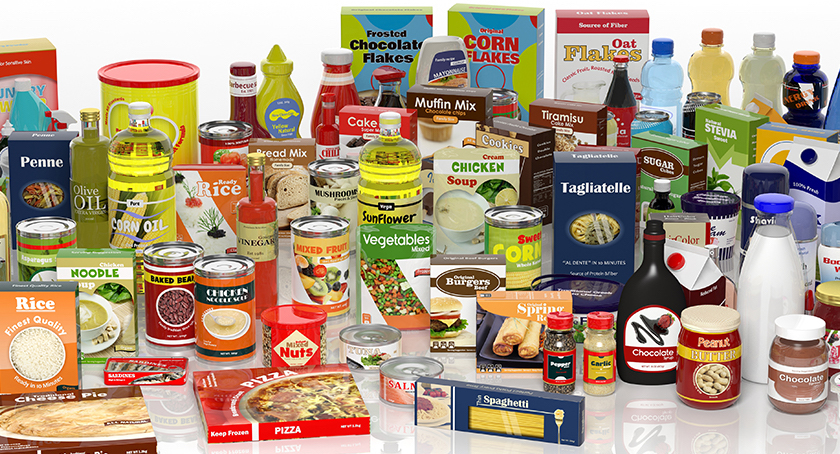
First, there is no single packaging application or type. Packaging types can include primary, which has direct contact with the product; secondary, which can group primary package components; and even tertiary, which is usually used for protection and transit of the secondary packaging. Second, there is no single packaging format; packaging can include labels, flexible packaging, paperboard boxes, corrugated boxes, and—let’s not forget—bottles, cans, etc. Granted, with each of these there could be web-to-pack software available provided there is an understanding of the rules of limited variability, as well as an understanding of any relevant regulatory issues.
Since the shift from large global brands to smaller local/regional brands is increasing, so is the amount of disparate packaging required. Think more targeted and shorter packaging production runs similar to what has happened in direct mail and marketing. Smaller local/regional brands are usually more likely to engage local resources for their design and packaging needs. Considering the volatility in global trade, global brands competing against local smaller brands will undoubtedly also have to adjust their current relationships with their global packaging resources to align with the shifting supply chain demands at the local/regional level as well.
Many Types of Packaging Are Candidates
Look outside your front door and the chances are that there is at least one, if not multiple, packages stacked up. They are not just stacked up by “your’ front door; it is a growing global phenomenon. While population growth overall is declining, considering the global population growth rate has declined from approximately 2% in the 1960s to 0.85% today, that means we will still be purchasing and consuming a lot more products.
In fact, both solid fiber and flexible packaging are projected to grow. There are many forms of packaging available today and boxes play a role in almost all of them, whether directly for the product, product aggregation, or transport. That growth also includes all sizes and shapes of flexible packaging, both preprint and postprint corrugated, and carton production, an important distinction. That short-run growth will come from a mix of flexo, offset, and digital, an important distinction to note, since many believe that only digital print is designed for short runs or on demand applications.
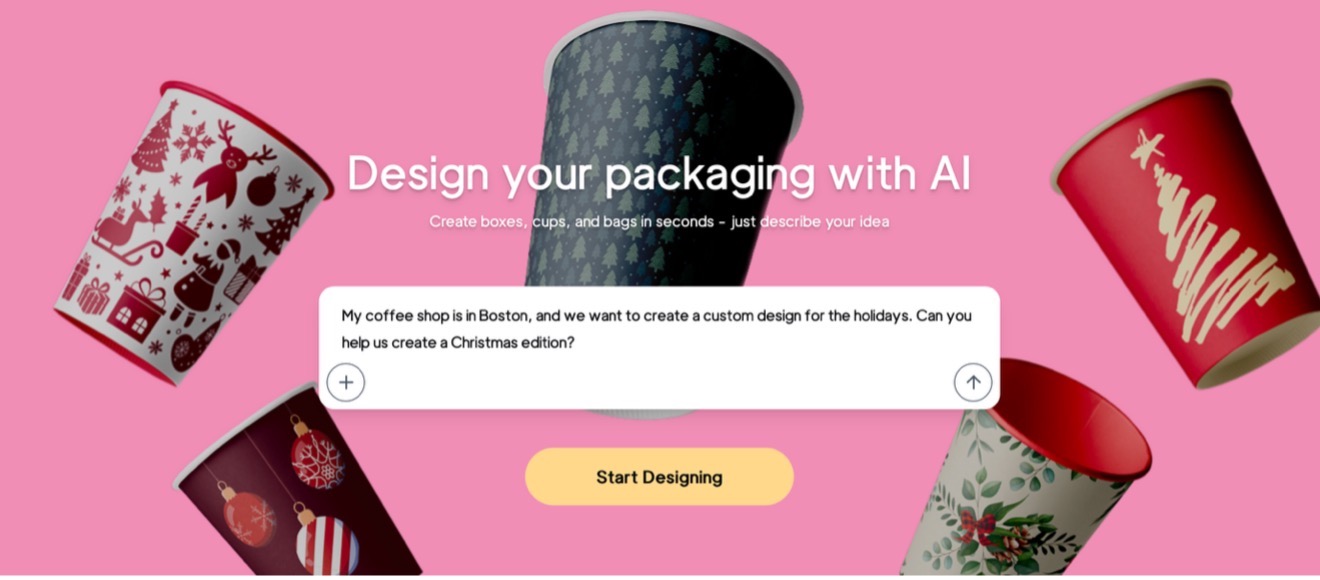
There are huge growth opportunities for web-to-pack and for short-run on-demand packaging. However, while there are opportunities, there are also many complexities not seen in commercial print, that require a level of expertise not necessarily found in the producer’s kitchen, basement, or garage. In fact many of these complexities require an experienced converter or designer to navigate—although there is also an increasing move toward implementing AI in the packaging design and production process.