In February of this year, Ardagh Metal Packaging (AMP) acquired a Swiss metal decorator, NOMOQ, a company only formed in 2021. NOMAQ distinguished themselves by supplying printed cans with short lead times and “NO Minimum Order Quantity”. The strategic acquisition allowed Ardagh, one of the giant suppliers of cans, an entry into high volume inkjet printing of aluminium (sorry, aluminum) beverage cans in Europe.
They had taken the same approach previously, in North America, buying Quebec-based Hart Print in 2021. Hart was founded in 2018 as a purely digital can printer. Both acquisitions are using inkjet printing to offer a fast-turnaround, short run, service which is in demand by the fast-growing craft brewers and mixed drink sectors. Larger brands also need short runs when trialling product launches, implementing one-off event-based campaigns and running special editions. Inkjet direct printing is the enabler.
Direct-to-container – Rigid Packaging
There are many suppliers developing digital rigid packaging equipment, as shown below. For metal boxes there are sheet printers with the container subsequently formed and sealed, while direct-to-shape involves direct printing of the formed object. Not all are high performance systems, the majority are low volume systems used to decorate objects from cups to coozies, as well as packaging.
[caption id="attachment_6332" align="aligncenter" width="816"]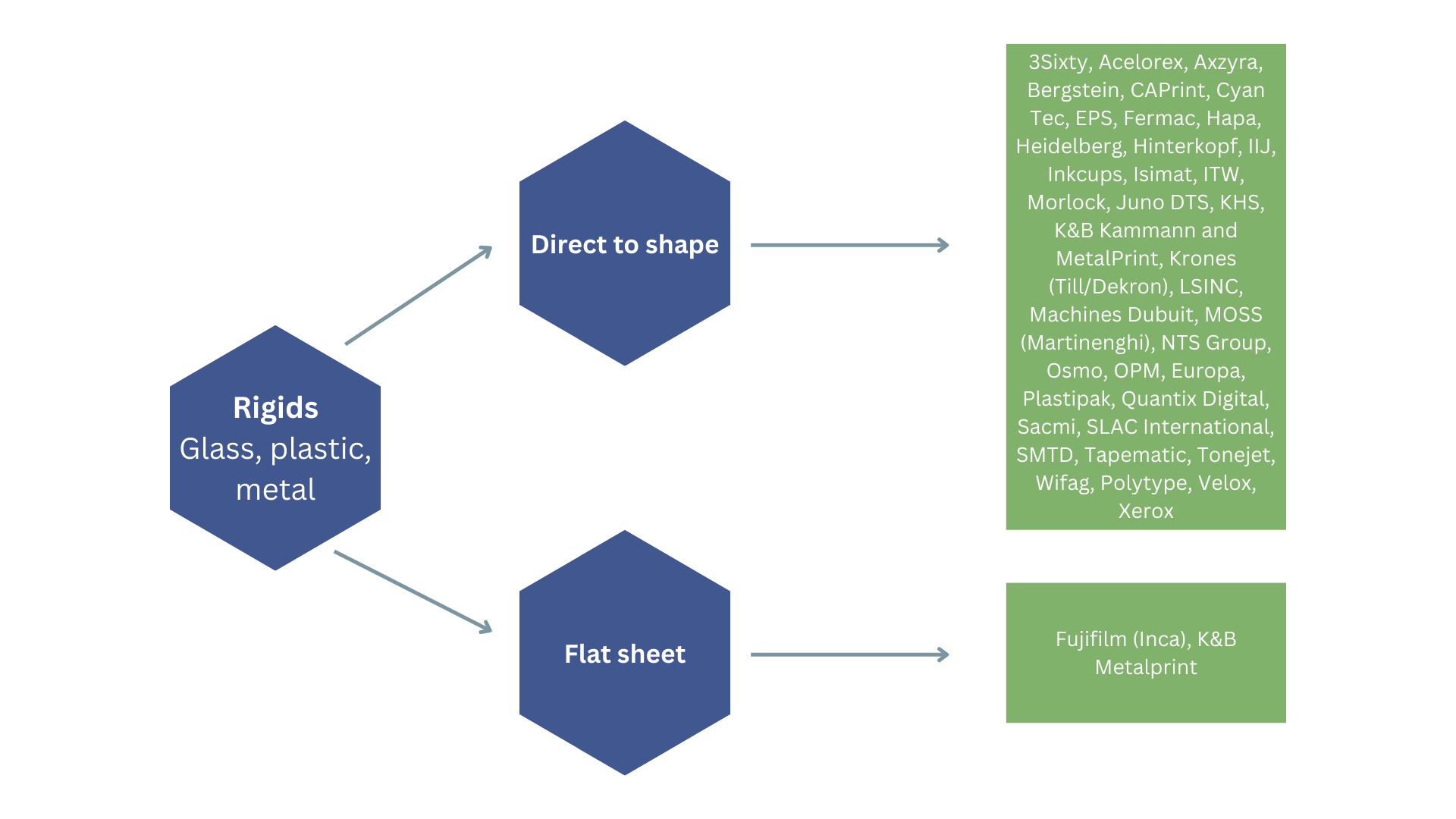 Figure 1 Inkjet rigid packaging equipment suppliers[/caption]
Most of these are low performance machines, producing samples or very short runs. The majority use UV inkjet print systems, while Tonejet uses its proprietary electrostatic concentration method with a few Cyclone printers now in operation. The object preparation, handling, coating and delivery are critical components in the design of a high-speed production system. Analog systems will print at speeds of 2,000 cans per minute, and for digital direct-to-can printing to go mainstream these speeds must be approached.
Yes, you can
Inkjet technology can now approach the necessary speeds. Fast changeover will allow high volume producers to operate at full speed for more of the time, boosting productivity. Global consumption of two-piece cans topped 400 billion in 2021. Most cans are printed using dry-offset, in-the-round at the can manufacturing facility. For short runs some cans have a self-adhesive label, or more commonly a shrink sleeve and there is a growing proportion digitally printed. US and Canada demand is some 100 billion with around 15% imported. In late 2021 Ball Corporation announced its minimum order quantity would rise to 1.03 million 12oz cans (five truckloads), as they focused on boosting output by reducing short run set-ups.
Then in July 2022, Ball Corporation announced: “Digitally-printed beverage cans will be available to customers in Brazil as we meet demand for customisable labels, faster turnaround times and smaller minimum order volumes.” The company has invested in equipment from SLAC International, a Chinese supplier of inkjet technology as it scales up pilot plant operations.
In 2021, Crown Holdings announced a collaboration with Velox, the Israeli developer of direct-to-shape digital decoration solutions, installing a Velox machine at its Wantage development facility in the UK to explore the capabilities of digital decoration technology for straight wall and necked cans. Printing onto the neck of a can is tricky for inkjet print systems as the throw distance and angle of the surface varies, making it difficult to print detailed images and text, so Velox prints solid colours. The Velox technology offers print speeds of up to 500 cans per minute with the capability to print necked cans with up to 14 colours and embellishments such as gloss, matte and high build across the surface of a can.
As of 2023 Hinterkopf, SLAC International and Velox have an installed base in the can market, the key metrics of these systems are compared in the table below.
Comparison of digital cylindrical printing systems for metal cans in 2023
|
Velox |
Hinterkopf |
SLAC International |
Tonejet |
|
|
Machine |
IDS NC |
D240 |
SC-DCP-200-6 |
Cyclone |
|
Technology |
UV inkjet |
UV inkjet |
UV-LED inkjet |
Electrostatic concentration |
|
Max colours |
14 |
7 – 8 |
6 |
4 |
|
Max resolution (dpi) |
900 - 1,600 |
900-1,200 |
600-1,200 |
600 |
|
Maxi Speed (12fl oz cans per min) |
500 |
240 |
200 |
60 |
|
Print can neck/chime |
Yes/Yes |
Yes/No |
Yes/No |
No/No |
Some providers make optimistic claims, e.g. Cincinnati based Juno DTS saying their system prints 400 cans per minute, but there is little available independent information. Hinterkopf is a German engineering company, leading the market for high-volume systems with over twenty of its digital printers in operation. In 2022 Oasthouse Engineering installed the first D240 machine in the UK in their Rotherham site, where they now offer digital print services. The investment came in around $3.5 million, and Samantha Morris, one of the directors said: “We want to print a significant proportion of the 60 million cans we sell each year, and this technology will let us do that. The EU has placed bans on sleeves and labels that can hinder recycling efforts and may be covered in single use plastic bans, meaning we will not be able to apply sleeves. Our minimum order quantity will be one printed can, we want to help our small but fast-growing customers get their high-quality products into the market.” They have introduced new applications, including meat, fish and vegetable stock that is now sold in cans.
The D240 machine has been joined by the D480 that extends the colour gamut. The new D480 has more colours with the ability to print spot colours with, 2 base whites, spot, CMYK, orange, green, violet, anilox, varnish, spot 2 top whites. Production speed is up to 240 containers per minute depending on the resolution. The machine contains 48 individual mandrels handling objects from 19-74mm diameter, with up to 24 print stations.
The Velox IDS machines features up to 14 colours, with an innovative scalable linear motor array transporting cans under the printheads and coating units at 500 cans per minute. Velox says systems could be configured to run with bypass lines in existing high volume can production sites. Velox highlights VVI (variable viscosity ink) technology that optimizes quality and consumption within a design, while delivering very good text legibility. SLAC is an established provider of analog can making equipment with a US office in Cincinnati. The SC-DCP-200-6 uses CYMK, white and a spot colour using LED-UV inks with speeds up to 200 cans per minute at 600dpi, with higher resolution available. The company claims it is suitable for continuous production, the printer designed to be integrated into SLAC can manufacturing.