Vote by mail is a high-risk endeavor for printing and mailing companies and yet critical to our democracy. Print service providers with an intense attention to detail and quality have the foundation required for expansion into this growing market.
What You Need To Know
Election vote by mail (VBM) programs will expand by the 2024 general election when voter turnout could top 160 million people. Efforts to slow or stop the spread of VBM will occur in various locales between now and then. However, widespread voter acceptance will expand its use wherever authorities and providers can demonstrate the integrity and security of their VBM programs.
An estimated 92.2 million ballots were cast by mail at the general election on November 3rd. Data collected by Winkler + Dünnebier (W+D), manufacturer of intelligent mail and ballot inserters, indicates its machines produced 63 million mail-in ballots for the general election or 68% of the total. Andrew Schipke, Vice President Marketing and Strategic Sales for W+D North America, notes, "The two largest ballot providers, Runbeck (Arizona) and K&H (Washington), currently account for more than 35 million ballots produced per general election cycle. (The next) 15 ballot providers currently collectively supply about 25 million ballots." Bear in mind that several states and one California county produce their ballots and do not outsource all their VBM pieces, which Mr. Schipke estimates could amount to another 25 million ballots.
Joe Eremita, Senior Director - Software Business Development at BlueCrest, notes that while the company offers specialized inserter capabilities, "from a software perspective, VBM is a highly specialized, high integrity, and high visibility application." These features distinguish VBM from other forms of transaction mail, including ones that have personally identifiable information. Companies moving into VBM should leverage their existing print and mail workflow. Indeed, Mr. Eremita notes that BlueCrest works with its customers "to use the same workflows and same built-in integrity in the equipment that is used for checks and statements and policy documents, even when ballots are not initially prepared to take advantage of that level of automation."
[caption id="attachment_4328" align="aligncenter" width="406"]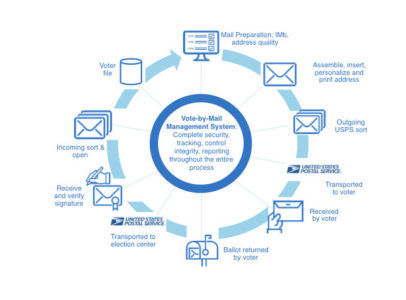 Figure 1. The End-to-End VBM Process. Source: BlueCrest[/caption]
Transaction mail providers and other firms that produce very high-quality print programs are well-placed to participate in the burgeoning VBM market. Use the following checklist to appraise your organization's VBM capabilities:
Customer Service
- Know the governmental decision-makers (who approves VBM and material vendors, negotiates and signs contracts, and implements the agreements?)
- Understand state agencies' roles (do they have an advisory role, certify vendors, or regulate providers?)
- Establish a project manager for every VBM program who will work closely with election and USPS officials
Timeline
- Clearly understand the voting timelines dictated by election laws
- Schedule your operation from Election Day backward, allowing for domestic and foreign mailing delivery times
- Work with government officials on the availability of their artwork and voter lists as well as finalization of the projected mail volume
Postal
- Expand your USPS relationship to include their election mail piece experts
- Ensure components and envelope copy placement meet postal regulations
- Assess the use of mailpiece tracking tools, including address standardization, verification and correction, intelligent mail barcodes, and ballot-specific Service Type IDs
- Stay abreast of USPS performance updates before and during the election cycle
Software
- Every VBM mail piece is a variable data piece, even if the ballots are preprinted, resulting in high volumes of data
- Employ proprietary or commercial software tools that ensure the correct components are printed, inserted, and tracked through production, with the results integrated into your QA and reporting systems
Hardware
- Ensure printers and inserters have document quality and integrity capabilities such as camera systems
- Integrate QA and auditing procedures on every device as well as supporting activities including material warehousing and handling
- Develop thorough manual assembly practices and QA procedures for low-volume specialized mailings such as to voters who are serving or residing overseas
Materials
- Verify paper and envelope manufacturers have sufficient capacity and will prioritize your original orders as well as emergency orders for additional materials
- Evaluate whether customer-supplied materials, if any, meet your quality and performance requirements
Security
- Take the threat of hacking seriously
- Conduct penetration tests using a third-party provider
- Ensure your FTP site is secure
- Protect your IT infrastructure from digital and physical attack
- Comply with data encryption, retention, and destruction requirements
- Establish a business continuity relationship with a business partner that the government agencies approve
Insight
VBM requires the utmost quality, on a par with or exceeding mailings with personally identifiable information. While the best practices listed above are keys to smooth, accurate production, the most critical factor for any VBM producer is its company culture. A "close enough is good enough" environment is unacceptable.
You may have the best, most modern equipment, but without a culture that encourages employees to be 100% accurate and to account for 100% of the mailings, then you will fail. Maybe not on the first mailing, or the second or the third, but eventually, a significant error that compromises an election - and your organization's viability - could occur.
Do not let the high risks associated with VBM deter you. Develop and refine your VBM expertise by producing local election programs in 2021 and 2023 while working on local and state mid-term elections in 2022. The market is growing, and governments - and voters - need quality VBM providers ready for the 2024 national election.