 The managers of the organizations I met with had different perspectives and specialties:
- A membership-based organization focused on acquisition and retention;
- A mail and distribution operation for a non-profit with both a member organization and a large publications division;
- Print and mail operations for a health insurance provider.
Source: AsapSCIENCE
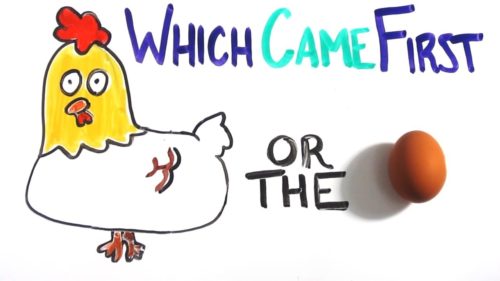
Technology Investments One manager expressed the ongoing chicken and egg battle. The marketing team requests bleeding edge technology and capabilities without a commitment to programs that would justify investments in new technology.The marketing team is focused on new ideas to engage members. The manager wants to expand the capabilities of the in-plant for color, inkjet and finishing. The finance team requires a business justification based on cost and equipment utilization. Testing new capabilities does not provide a complete cost justification for technology investments. This results in the marketing team finding a third- party supplier to test new capabilities or new technologies. This means a lack of investment. The in-plant is challenged with older equipment that lacks the capabilities to serve marketing’s desires and ultimately the members.
In-plants with stronger alignment with their internal customers have been able to justify new equipment like inkjet and expand their capabilities. By investing in new technology and expanding their services the in-plant facilities are providing competitive capabilities to their internal customers and aligning with strategic business goals for communication, compliance and customer experience. Prioritization Among Internal Customers A daily challenge for these in-plant operations is meeting the quick turnaround times to complete ad-hoc jobs. Managers are tasked with juggling priorities for the regular jobs and their need to be responsive to internal customers with on-demand work. Meeting aggressive turnaround time requests for ad hoc jobs results often conflicts with service-level agreements for standard work like statements or invoices. Internal customers often have little knowledge about the manufacturing steps or realistic time frames to complete an ad hoc job. While all the managers regularly attempt to educate their internal customers about the capabilities the knowledge disconnect persists. Marketing and product departments have overburdened staff wearing multiple hats. Working on multiple projects, or responding to the need for a critical communication, they don’t contact the print operation until after the design has been completed and mailing deadlines established. This creates a dysfunctional relationship between the stakeholders making decisions and setting priorities for end-customers and those in the operational roles of providing print mail services. The end result is there are more jobs outsourced. Wishing for a Magic Wand The magic wand request in-plant managers consistently shared, was their desire for increased visibility in their organizations. Their wish was better internal knowledge about what they do and how they can serve their internal customers and ultimately the members. One manager stated, “we’re the best kept secret, so many people and departments in our organization don’t know we exist or what we do.” In-plants continue the journey to provide relevance to their companies. Their success is determined by their effectiveness in communication, strategic alignment and their ability to educate their internal customers. Lois Ritarossi is the President of High Rock Strategies, an independent management consulting firm focused on sales and marketing strategies, and business growth for firms in the print, mail and communication sectors.
See her previous post “Inkjet Costs and Benefits of Manufacturing"
Lois Ritarossi is the President of High Rock Strategies, an independent management consulting firm focused on sales and marketing strategies, and business growth for firms in the print, mail and communication sectors.
See her previous post “Inkjet Costs and Benefits of Manufacturing"