WhatTheyThink

Premium Commentary & Analysis

Flexibility & Functionality are the Keys to Empowered Printing

Noel Ward Talk with any print provider about the most important capabilities they look for in a print engine and flexibility is usually near the top of the list.

Monday, April 02, 2001

Noel Ward Talk with any print provider about the most important capabilities they look for in a print engine and flexibility is usually near the top of the list. Whether the facility is an in-plant or commercial operation, every piece of equipment has to justify itself in terms of productivity and ROI. After all, a press or digital printer only makes money when it is running. This means maximizing the ways a given print engine can be used. Most print providers want machines that can, at the very least, handle a broad number of jobs easily and with minimal set-up times. And these days, more capable machines are required just to match customers' changing demands. Key among these are highlight color, variable data and the ability to handle a broad range of substrates. Just a Little Color There's no doubt about it, more customers are asking for color more often. But in a world where full-color printing still means a hefty premium (along with a host of potential workflow issues), many customer find that just a little added color can make a huge difference in the look, feel and value of a document. Newsletters, manuals, directories, books, marketing materials, statements and invoices are all more appealing and effective when highlight color is added to the page. The traditional solution of offset printed color shells with laser-printed black text works well as far as it goes; but comes with additional overhead that adds to the cost of document production. Printing shells necessitates a two-step print production process along with maintaining and managing an inventory of materials. Both are shortcomings for the new ways highlight color is being used today. For example, marketing messages added to statements and invoices are proven to be far more effective when done in color, but it can't be done well with offset printed shells. Likewise, new applications, such as graphical representations of mutual fund performance must be done on-the-fly. The challenge, though, is that relatively few black and white print engines have highlight color capabilities. Among those that do, many offer only a limited palette of colors and may have less-than-user-friendly control systems. Changing color between jobs is often a time-consuming process, adding to costs and compromising productivity. To be efficient and effective in a production workflow, highlight color must add value to a document without adding a burdensome costs or workflow headaches.. It's a Variable Data World Out There Variable data printing is no longer an illusion. It has hit the mainstream and virtually any type of document can have variable content added to it. Customer demand for personalization and customization is on the increase. A wide range of companies are using database-driven marketing messages based on specific customer information, needs or preferences. These messages are increasingly being incorporated into statements and invoices, often in highlight color. Furthermore, while variable data was once limited to statement and transactional printing, it now empowers a wide range of publishing applications. While document processing service bureaus and in-plant operations may be comfortable with variable content, many commercial and in-plant printers are not. They need solutions that help make up for their unfamiliarity and provide support for future needs. Paper-handling a Must Another side of flexibility and functionality is with paper. Customers are expecting jam-free reliability across an increasing range of cut-sheet substrates. While most cut-sheet machines are designed for weights ranging from about 20-lb. bond to perhaps 110-lb card stocks, customers want more. Label stocks and multi-part forms are now the rule rather than the exception. The challenge is that not all cut-sheet machines have the flexibility needed to run the broad range of substrates now being required. Very often, pages beyond the most common sizes and weights won't allow a printer to run at rated speed or may result in jams. Such design limitations quickly become productivity or workflow inhibitors, making a machine less productive, reducing ROI, and increasing operating costs. Print providers need the flexibility of being able to run the widest possible range of substrates without worrying about jams, mis-feeds and other issues.


Continue reading your article
with a WhatTheyThink membership.

WhatTheyThink Annual Membership

Less than $4/week.

Get unlimited access to in-depth commentary and analysis covering the latest trends, emerging technologies, operational strategies, and key events across every segment of today's printing industry.

Stay informed. Stay competitive. Stay ahead.
WhatTheyThink Day Pass

$5 for 24 hours

Unlimited access to all of WhatTheyThink. Get your Day Pass

Already a member?
Sign In

About WhatTheyThink

WhatTheyThink is the global printing industry's go-to information source with both print and digital offerings, including WhatTheyThink.com, WhatTheyThink Email Newsletters, and the WhatTheyThink magazine. Our mission is to inform, educate, and inspire the industry. We provide cogent news and analysis about trends, technologies, operations, and events in all the markets that comprise today's printing and sign industries including commercial, in-plant, mailing, finishing, sign, display, textile, industrial, finishing, labels, packaging, marketing technology, software and workflow.

Recent Articles from WhatTheyThink

The Total Label Issue

The Total Label Issue

This issue of the WhatTheyThink Quarterly is all about labels, which are seen as a high-growth part of commercial printing, driven by e-commerce, food/beverage demand, and regulations. The market has surpassed 1.2 trillion square meters of label production volume per year, and is moving toward high-mix, low-waste production rather than only high-volume throughput. While flexo is still used for high-volume label production, digital label printing often complements it—or in some cases replaces it. But labels are about more than printing technology. Read More
The Unified Platform for Packaging Manufacturing Excellence

The Unified Platform for Packaging Manufacturing Excellence

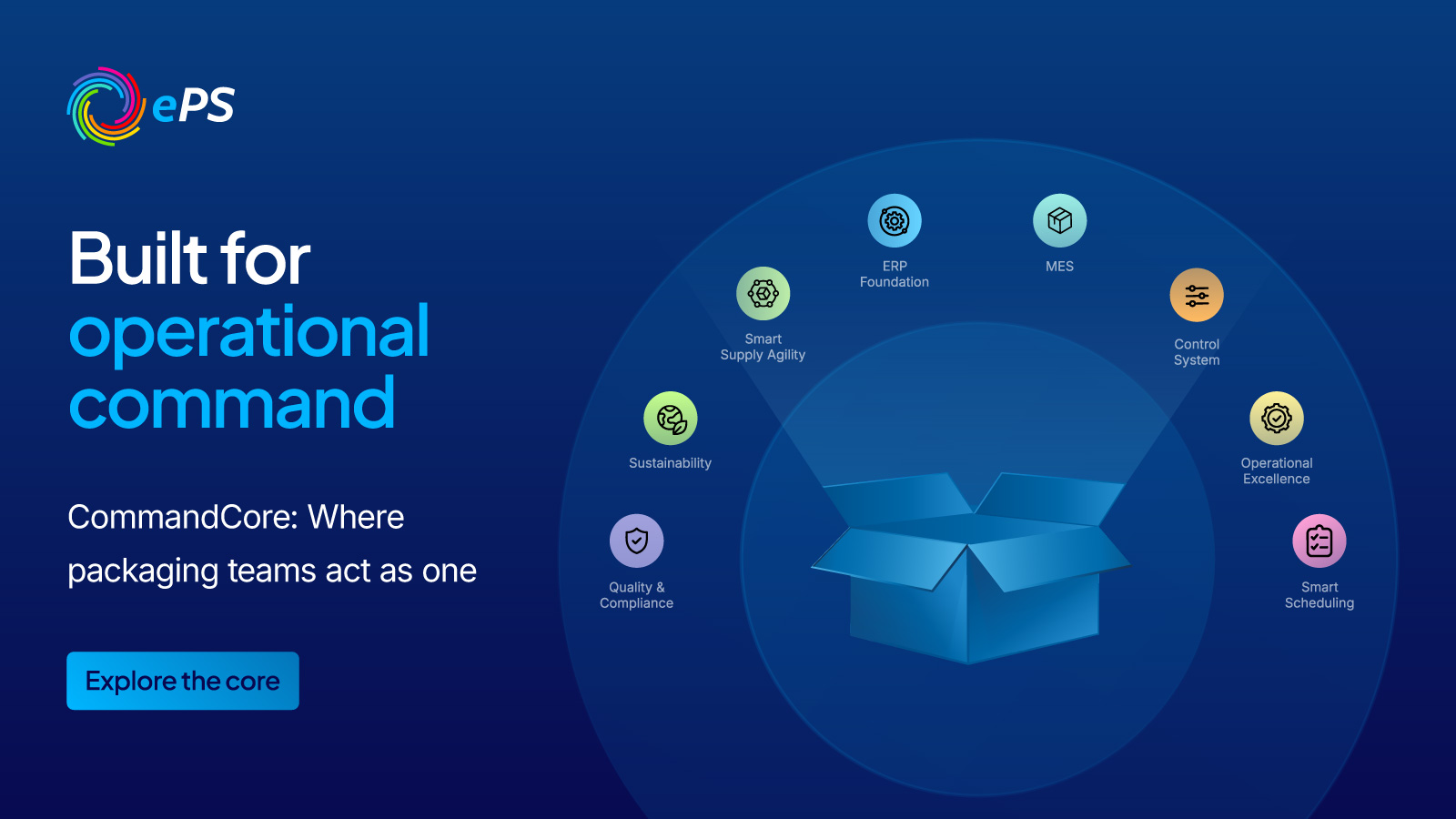
Leverage 30+ years of plant-floor expertise. Trusted by 700+ packaging manufacturers globally to reduce waste, optimize scheduling, and drive digital transformation. One unified foundation. Eight packaging-native pillars. Zero fragmentation. Read More
Expand Your Opportunities with the Truepress JET 560HDX from SCREEN

Expand Your Opportunities with the Truepress JET 560HDX from SCREEN

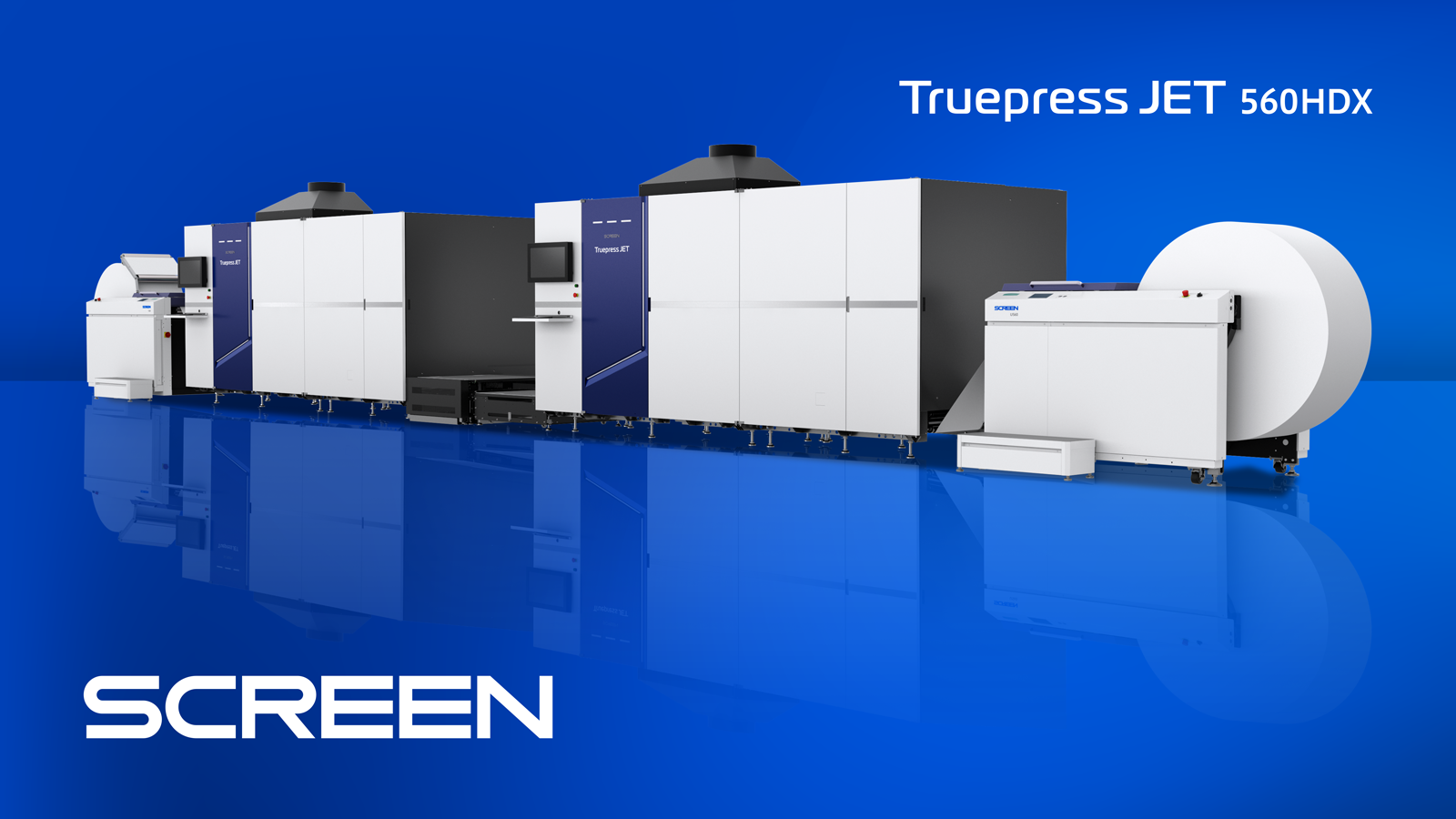
Commercial, direct mail, and publishing printers accustomed to producing jobs over several weeks can now print them in days with the SCREEN Truepress JET 560HDX. The press can accommodate 120 lb. coated or uncoated paper up to 560 mm wide. Read More

Around the Web: Of Water and Winners

Around the Web: Of Water and Winners

A sign-writer created the visual style of music festivals. The “2026 Milky Way Photographer of the Year” winners. AI appears to be catching on among the Amish. Sony has upgraded its wearable air conditioner. How to easily reuse produce bags. A complex digital water clock. A Nobel Prize–winning technology is able to extract water from dry air. Yes, it is possible to be allergic to water. Laser-induced graphene on Kevlar enables multifunctional structural composites. The “most desired” place in each of the 50 states. “The rise in plastic surgeons asked to create ‘AI face.’” K-pop band BTS has teamed with Oreo to release limited edition OREO x BTS Cookies. Welcome to WhatTheyThink’s weekly miscellany. Read More
Graphic Arts Employment in April Down Overall—Substantially Among Non-Production

Graphic Arts Employment in April Down Overall—Substantially Among Non-Production

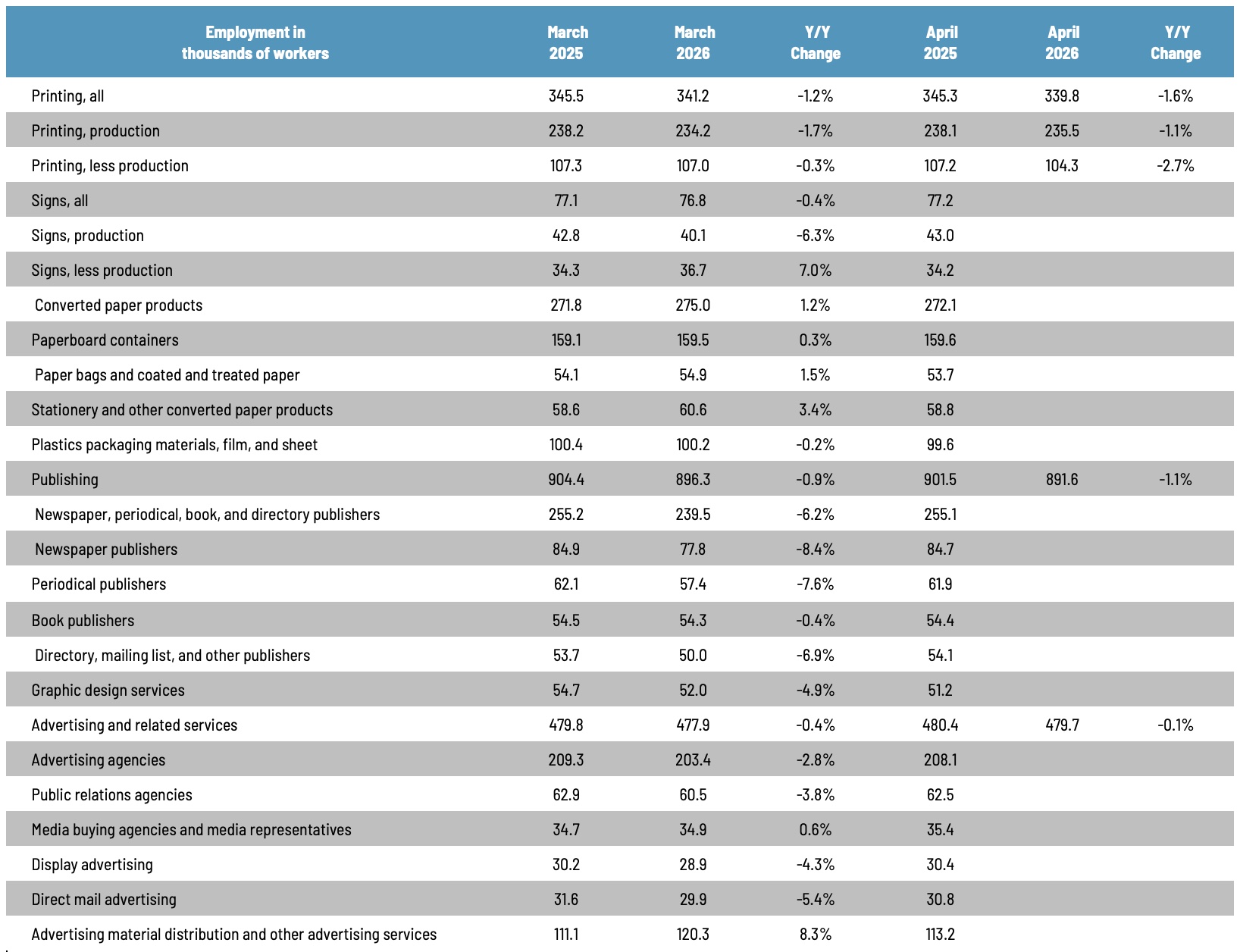
April 2026 saw printing industry employment overall generally flat, down 0.4% from March. And while production employment was up 0.6%, non-production employment was down by 2.5%—basically the reverse of what we saw in March. Read More

Recent Printing Industry News

Wednesday, June 03, 2026