Premium Commentary & Analysis
Production inkjet has reached the offset quality barrier, and digitalized analog printing is targeting shorter run, so some believe that it is the death knell for electrophotography (EP), aka “toner.” Although, as Mark Twain said, “The reports of my death are greatly exaggerated” and based on trends and recent developments in EP technology, I believe that is the case here as well.
Monday, October 13, 2025
Continue reading your article
with a WhatTheyThink membership.
Less than $4/week.
Get unlimited access to in-depth commentary and analysis covering the latest trends, emerging technologies, operational strategies, and key events across every segment of today's printing industry.
Stay informed. Stay competitive. Stay ahead.David Zwang travels around the globe helping companies increase their productivity, margins and market reach. He specializes in production optimization, strategic business planning, market analysis, and related services to companies in the vertical media communications market. Clients have included printers, manufacturers, retailers, publishers, premedia and US Government agencies. He can be reached at [email protected].

10 Things PSPs Should Consider Before Adopting Robotics: What You Need to Know to Begin the Journey
Why Highly Targeted Communications Make Digital Print Essential to Modern Marketing
Wide Format in 2026: How Technology Is Reshaping Competitive Advantage

The ultimate goal of dappas is to help facilitate design and eliminate the entire prepress production, so all the converters who are working with them get a stream of work that is ready to go to press and converting. Read More
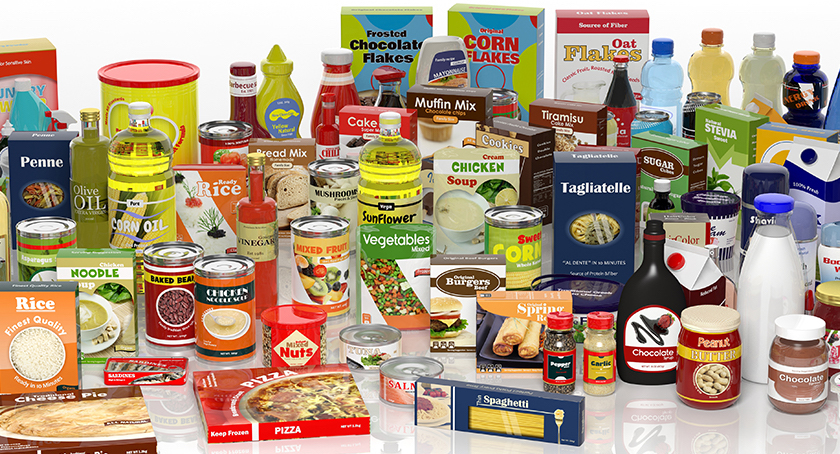
You can think of this very competitive connected supply chain landscape in four layers: material suppliers, label converters/printers, hardware OEMs, and software/platform players. The connected supply chain has changed from moving things hand-to-hand or through email to more full-featured automated systems. The good news is that, as a converter, after you decide where you would like to start, there are so many options for you to select from. Read More
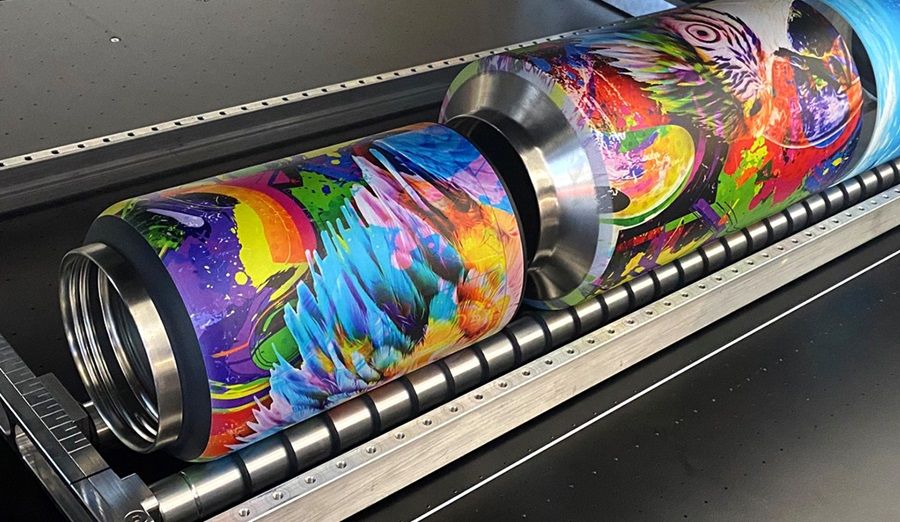
Print is a very adaptive technology and direct-to-object (DTO) is another area where it can offer new opportunities for PSPs and product manufacturers. Today, most of the product and packaging decoration (i.e., labels and tags) that exists is handled by a label converter. It is a well-established process that probably won’t disappear. However, it can and will be challenged by inline DTO printing solutions, offering new opportunities. Read More
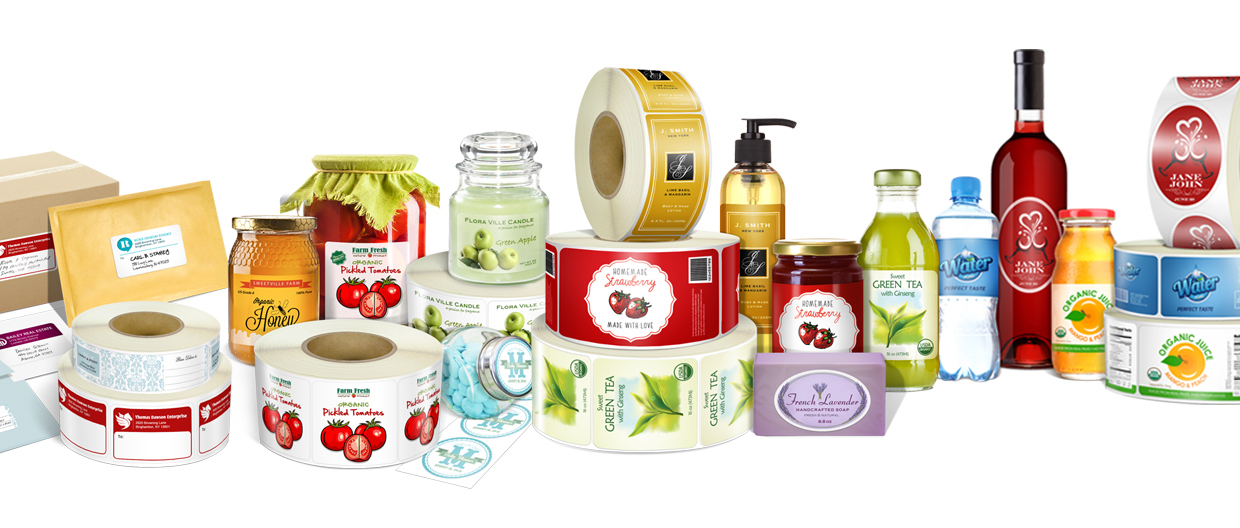
At its core, labeling is considered package identification and decoration. Its growth is driven by e-commerce, food/beverage demand, and regulations, where the market has surpassed 1.2 trillion square meters in production volume per year. The market is moving toward high-mix, low-waste production rather than only high-volume throughput. In practical terms, the winning equipment is the kind that can switch jobs quickly, inspect automatically, and handle variable data without slowing the line. Read More

The Ghent Workgroup (GWG) has been the global industry association focusing on standardizing best practices in print and packaging for 25 years, and has been expanding its scope, reach, and focus, all with the goal of facilitating consistent, higher-quality output as well as process automation, to facilitate the promise of Industry 5.0 and beyond. Read More